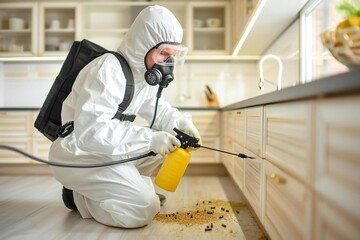
It often begins with something small that seems easy to ignore. A few ants appear near the kitchen sink, or you notice tiny piles of dust like material near a wooden baseboard. Many homeowners assume these signs are minor and temporary. However, pests rarely disappear on their own. In many cases they multiply quickly and spread into hidden areas of the home.
Among the most concerning pests are termites, which can silently damage wooden structures for months or even years before the problem becomes visible. Effective Pest Control Vero Beach and termite control are essential for protecting the safety, cleanliness, and structural integrity of a home.
Understanding Pest Control and Its Role in Home Protection
Pest control refers to the process of identifying, managing, and preventing unwanted insects and animals that invade living spaces. These pests may include ants, cockroaches, rodents, termites, and many other species that are attracted to food, water, and shelter within homes.
Homes provide ideal conditions for pests. Warm indoor temperatures, accessible food sources, and hidden spaces create an environment where pests can thrive. Once inside, pests often hide in walls, basements, kitchens, or storage areas where they can multiply without being noticed.
Effective pest control focuses on eliminating existing infestations while preventing future problems. This involves inspecting the property, identifying the species involved, and applying appropriate treatment methods.
Proper pest management also includes addressing the conditions that attract pests. Removing food sources, sealing entry points, and maintaining cleanliness are important steps in long term pest prevention.
By implementing comprehensive pest control measures, homeowners can protect their living spaces from contamination, damage, and health risks.
Why Termite Control Is Especially Important
Among all household pests, termites are often considered one of the most destructive. These insects feed on wood and other materials that contain cellulose. Because many homes are built using wood framing and structural supports, termites can cause serious damage if left untreated.
Termites are particularly dangerous because their activity often remains hidden. They typically live underground or within wooden structures, which makes infestations difficult to detect in the early stages.
Over time termites can weaken beams, flooring, and support structures. This damage may compromise the stability of the home and require extensive repairs.
Termite control focuses on detecting termite colonies and eliminating them before they spread further. Early detection is crucial because it allows homeowners to address the problem before significant structural damage occurs.
Regular inspections and preventative treatments play an important role in protecting homes from termite activity.
Signs of Pest and Termite Infestations
Recognizing the signs of pest infestations allows homeowners to take action before problems become severe. While some pests are visible, others leave subtle clues that indicate their presence.
For general pest problems, common signs include droppings, gnawed materials, unusual odors, or scratching sounds within walls or ceilings. Insects may also leave trails or nests in hidden areas.
Ants often appear in lines as they travel between food sources and their colony. Cockroaches may hide during the day but become active at night, particularly in kitchens and bathrooms.
Termite infestations have their own distinct warning signs. One common sign is the appearance of mud tubes along walls or foundations. These tubes allow termites to travel between their underground colonies and the wooden structures they feed on.
Another sign is hollow sounding wood. Termites consume wood from the inside out, leaving the outer surface intact while weakening the structure beneath.
Discarded wings near windows or doors may also indicate termite activity. Swarming termites shed their wings after finding a new place to establish a colony.
Identifying these signs early allows homeowners to seek professional pest control before the damage becomes extensive.
The Pest Control and Termite Treatment Process
Effective pest and termite control begins with a detailed inspection of the property. During this process technicians examine both the interior and exterior of the home to identify pest activity and potential entry points.
The inspection includes checking foundations, crawl spaces, attics, and wooden structures for signs of termites or other pests. Technicians also look for conditions that may attract pests, such as moisture buildup or accessible food sources.
Once the inspection is complete, a treatment plan is developed based on the type of pest and the severity of the infestation. Treatments may involve targeted applications designed to eliminate pests in specific areas.
Termite control often requires specialized techniques because termites live in colonies that may be hidden underground or within wooden structures. Treatments are designed to reach these colonies and stop their activity.
After treatment, follow up inspections may be recommended to ensure that the infestation has been eliminated. Monitoring helps confirm that pests have not returned and that the property remains protected.
This systematic approach ensures that pest problems are addressed thoroughly and effectively.
Preventing Future Pest and Termite Problems
Prevention is a key component of long term pest control. By reducing the conditions that attract pests, homeowners can significantly lower the risk of future infestations.
Maintaining cleanliness throughout the home helps remove food sources that attract insects and rodents. Regularly cleaning kitchens, dining areas, and storage spaces reduces the chances of pests settling indoors.
Sealing cracks and openings around doors, windows, and foundations prevents pests from entering the home. Even small gaps can serve as entry points for insects and rodents.
Moisture control is particularly important for termite prevention. Termites are attracted to damp environments, so repairing leaks and ensuring proper drainage around the home can reduce their activity.
Outdoor maintenance also plays a role in prevention. Wood piles, debris, and dense vegetation near the home can provide shelter for pests. Keeping these materials away from the structure reduces the likelihood of infestations.
Regular inspections provide an additional layer of protection by identifying early signs of pest activity before it spreads.
The Benefits of Professional Pest and Termite Control
While homeowners can take many preventative steps on their own, professional pest control services offer several advantages. Experienced technicians have the knowledge and tools needed to identify pests accurately and apply effective treatments.
Professionals understand the behavior of different pest species, which allows them to target infestations at their source. This expertise is particularly important for termite control because colonies often remain hidden.
Professional inspections can reveal issues that homeowners might overlook. Identifying these risks early prevents infestations from becoming severe.
In addition, professional treatments are designed to provide long lasting protection. Technicians may recommend ongoing monitoring or preventative services to keep the home protected over time.
Working with trained professionals ensures that pest control measures are applied safely and effectively.
Conclusion: Protecting Your Home with Effective Pest and Termite Control
Pest control and termite control are essential for maintaining a safe and healthy home environment. From insects and rodents to destructive termites, unwanted pests can cause significant damage and create health risks if left untreated.
By recognizing warning signs, maintaining preventative practices, and seeking professional assistance when needed, homeowners can protect their properties from infestations.
Regular inspections and proactive care help ensure that pests do not gain a foothold in the home. Investing in proper pest and termite control safeguards both the structure of the house and the comfort of the people who live inside it.
With consistent attention and effective management, homeowners can maintain a clean, secure, and pest free living space for many years to come.